

In-sensor zoom technology allows phones with large high-resolution sensors to deliver lossless image quality.
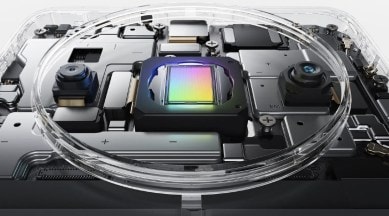

Most mid-range smartphones priced above Rs 20,000 usually offer a tri or quad-camera system. Of those three/four cameras, only one sensor does all the heavy lifting, which is usually a high-resolution camera, possibly with 108 MP or 200 MP resolution.


You’ve used up yours
monthly limit of free stories.
To continue reading,
just register or sign in


Subscribe to read
Choose your plan
All-Access
Access to premium stories
Digital Only
Access to premium stories
This premium article is free for now.
Register to continue reading this story.
This content is exclusively for our subscribers.
Subscribe to get unlimited access to The Indian Express exclusive and premium stories.
This content is exclusively for our subscribers.
Subscribe now to get unlimited access to The Indian Express exclusive and premium stories.
Brands are using these high-resolution primary cameras in every possible way to get the most out of these large sensors. From pixel binning technology to offering improved low-light shots to using a complete high-resolution sensor to deliver detailed images. Another recent trend in mid-range phones with high-resolution cameras is in-sensor zoom technology, which is used to deliver zoomed-in images without losing image quality.
Devices like the OnePlus Nord CE 3 Lite and Realme 8 Pro are some of the few smartphones that advertise in-sensor zooming as one of the camera highlights. And even the upcoming Realme 11 Pro+ claims to offer 2x and 4x in-sensor zoom to deliver lossless images at different focal lengths.
Here’s a detailed review of the in-sensor zoom technology and how it helps mid-range phones take better photos:
In-sensor zooming is a smartphone camera technology found on select smartphones with a high-resolution primary camera, possibly with a 108 MP or 200 MP sensor. The central part of the sensor is used to take the picture, acting like a dedicated telephoto lens. Depending on the size of the sensor, in-sensor zoom allows devices to capture images without compromising image quality.
Since only a select part of the sensor is used to capture the image, it will be of lower resolution. With in-sensor zooming technology, a phone with a 108 MP camera typically captures 12 MP images, possibly with 3x lossless zoom.
Unlike the telephoto lens, which usually has a smaller aperture, the main sensor will have a slightly wider aperture, helping the phone take better photos even in low light. The same principle is also used in phones with in-sensor zoom technology, where the wider aperture allows more light into the sensor, allowing more details to be captured, resulting in a lossless picture.
Similarly, the upcoming Realme 11 Pro+ with a confirmed 200 MP primary camera is capable of offering both 2x and 4x lossless zooming capabilities using the same in-sensor technology. This phone features a large 1/1.4-inch sensor, and by cropping the sensor, it produces 4x lossless photos with 12 MP resolution.
On most phones without a telephoto lens, when zoomed in, the phone takes a photo and then digitally zooms in on it, reducing details. However, in the case of phones with in-sensor zoom, most of the details are sold, and the image will come out slightly better than digitally zoomed images.
In general, lossless images captured with in-sensor zoom technology may not be as sharp as those captured with a dedicated telephoto lens. However, they will look better than digitally zoomed photos. Since integrating a dedicated lens into a mid-range phone is not feasible, brands are now offering something in between that is both viable for brands and adds value to consumers.
© IE Online Media Services Pvt Ltd
First published on: 18-05-2023 at 16:43 IST
Post a Comment