
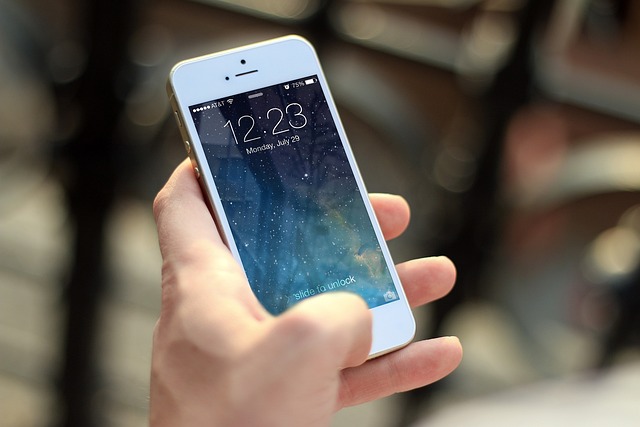
One night a few months ago, while standing in front of my refrigerator holding a glass to the water dispenser, I found myself staring at my iPhone. I pulled it out of my pocket again and again, I guess, to fill the time it took to fill my glass. But as I stood there staring at my phone’s lock screen — an adorable photo of my kids running on a beach — I couldn’t remember what I intended to do with it. Want to scroll through Twitter for a few seconds? See my email? Maybe just bask in its digital glow? I can not say.
I put the phone back in my pocket, pull on my nearly overflowing glasses and realize: I’m addicted to my phone. And even what is on top of it – just this, the thing. Over the course of that evening, I became painfully aware of how often I reached for it, or patted my pocket to make sure it was there or took it out just to see what it might say. I was like Adam and Eve after they ate the fruit. I was exposed – naked, and I knew it.
I considered ditching the thing and buying a flip phone — the kind I owned in 2005, the kind drug dealers use as burners in movies — but I knew I couldn’t live without the my digital music library is now firmly ensconced within the Apple ecosystem, and I don’t want to part with Waze, the GPS app I often use to tell me when to slow down for speed traps on my long commutes .
So, I decided to take the advice that I had read countless times over the years but had never been brave enough to commit to. I put my smartphone on mute.
I went on an app deletion spree. Anything that pinged or notified or reminded had to go! Games that beeped inviting me to play — no more! Diet apps that remind me it’s time to fast — removed! And, of course, social media apps buzz to let me know I’ve been tagged in a photo — close it! Next, I deleted my email apps, the default Apple one and Outlook, too. I even uninstalled Safari, the web browser. Goodbye Google!
i am free Released! I felt good, and I decided to stay that way. I knew I needed accountability, so I started telling anyone who would listen. I blasted the news to my group chat (I kept text messages on my phone because that seems like what a phone is for), I was proud of my husband, raised myself as a role model of self-control to my children. I even told my students, one of whom keeps asking me at least once a week if I’m still app-free. I am.
This is the part, in this genre of writing, where I should say how I’ve become more productive, how much better I sleep, how my kids love me more that they don’t have to compete. there is a screen for my attention. Some of it is true, I guess. I probably sleep better now that I’m not mindlessly scrolling before bed, and, when it comes to my kids, if nothing else, it gives me credibility as I keep putting off the day they get their own phones.
I realize now that I missed me — the me that always lived in my mind.
But most of what I gained from this lifestyle change was a lot of idle moments. In other words, boredom. It took a while, but I couldn’t reach for my phone in the interstitial moments that naturally appeared throughout the day. When I fill a glass of water, I just have to stand there with my own thoughts as I watch the glass fill in the cold white light of the refrigerator. As I wait for the photocopier to print handouts for my students, I try to think of something funny to say at the beginning of class.
When I wait in the carpool lane at my children’s school, I am happy to be alone following the direction of the sign asking parents to refrain from using their phones during pick-up. I keep a book in my bag and magazines in my car — real, physical, glossy paper magazines. There’s something satisfying about turning a page that swiping through a mirror will never replace.
Other times, I just sit. I observe people; I forgot how much I enjoyed doing that. I think and plan and talk to myself like I used to. I realize now that I missed me — the me that always lived in my mind. For years, I was good company for myself until I fell into the trap of endless distractions.
We don’t yet know what we’re missing as a society because we’re losing the ability to be bored, to sit with our thoughts, to live without instantly knowing everything all the time. How can we think creatively, innovatively, if we don’t take time to think? What does this mean for future generations who may not even remember a quiet time before — never to experience a world without the internet in their hands, or on their wrists, or wherever they take it next?
These are the kinds of thoughts that fill my mind right now, as I wait for my glass of water to fill.
Follow Cognoscenti on Facebook and Instagram.
Post a Comment