
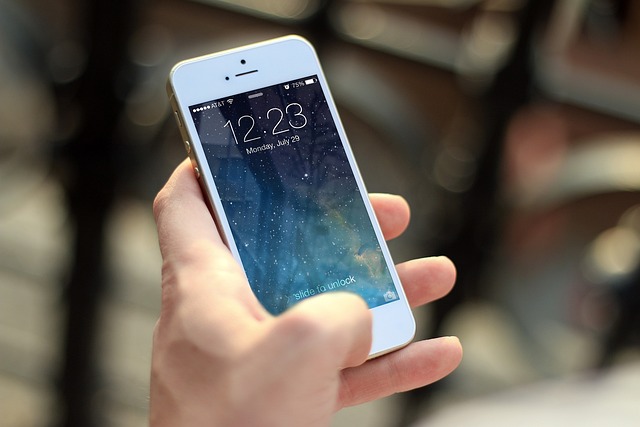
Smartphones have seen massive growth in sales and sophistication over the past decade, as manufacturers cram more features into devices that hold more than 6 billion people all over the world.
Few technologies have radically changed our relationship with the world, and they have come a long way since the days of IBM Simon Personal Communicator.
But being sleek and versatile, the evolution of the cell phone is far from complete. Whether it’s top-tier photography, customized voice assistance or holographic displays, you can expect a lot more from tomorrow’s smartphones — and much of it is driven by artificial intelligence.
Smartphone use
Artificial intelligence plays a prominent role in our digital lives, from Siri and Alexa to algorithm-based recommendations on TikTok, Spotify and Netflix. But perhaps more than anything else, developments in AI will set the next generation of smartphones apart, allowing them to personalize and improve many aspects of our everyday experiences.
Through analysis of habits and preferences hidden within our activity, for example, they can recommend restaurants we might like. Or they can automatically queue up the music we tend to play at a certain time of day.
And in a logical step for text prediction, smartphones can graduate from simply predicting the next few words in a message to scripting the whole thing — à la ChatGPT — in a convincing personal style. As natural language processing improves, smartphones will also be able to hear and respond to human speech more effectively, though it is possible audio translation from one language to another in real time.
Read more: What Is Smartphone Addiction and Does It Exacerbate Mental Health Problems?
The Benefits of AI-Powered Phones
Machine learning can help extend battery life by predicting the most efficient power settings to match your usage patterns. Additionally, the built-in cameras could come to rival high-end DSLRs, as phones get better at correcting distortions and automatically adjusting exposure for low light.
Security can be improved by being more accurate detecting fraudulent phone activity and performing continuous validation. In other words, they will continuously monitor the subtle nuances of your behavior to verify your identity on a moment-to-moment basis.
And in one of the more futuristic scenarios, AI-powered phones could eventually drag on the hologram out of the sci-fi realm and into the entertainment repertoire of the common man. If you love cat videos on an old-fashioned screen, just wait until you can revisit them in a 3D projection.
Read more: The Advantages and Disadvantages of Artificial Intelligence
Augmented Reality of Smart Technology
The opportunities for smartphone innovation are numerous. But it’s also possible that our constant handheld companions, as indispensable as they feel today, may become obsolete.
Even Google’s early attempts at smart glasses famously failed to launch a decade ago, its competitors have gone on to develop their own cutting-edge lenses. In a few months, Apple is expected to release its most awaited mixed reality headsetwhich supports both augmented and virtual reality.
Tim Cook, the company’s chief executive, was said that soon, “you’ll wonder how you ever led your life without augmented reality.”
Smart glasses, for example, can display texts and emails in front of your eyes, without having to reach into a pocket — or overlay digital navigation directions on the real-world landscape.
Despite a decade of hype in augmented reality, however, such products with smart technology have yet to achieve anything like the importance of smartphones. And it’s unclear when (or if) they will.
For one, similar features have been integrated into smartphones today: Think of the proliferation of Snapchat’s funny filters, and the wildly popular Pokémon Go, a game where players roam the physical world in search of virtual creatures that appear on their screens.
Read more: How My Smartphone Dropped, Let Me Recharge and Reconnect
Smart Gadgets and the Future of Smartphones
Alternatively, the human environment may one day be so full of smart gadgets – armchairs, stovetops, subway seats, shopping carts – that we no longer burden ourselves with personal devices. Some Internet-enabled thing or other is almost always within reach, doing all the things your smartphone does today.
So thought Mark Weiser, the chief technology officer at Xerox’s Palo Alto Research Center computers in the 21st century. He coined the term “ubiquitous computing” in 1988 to describe a future where they “weave themselves into the fabric of everyday life until they are indistinguishable from it.”
Nearly four decades later, our phones remain relatively recognizable expansion hubs Internet of Things. Maybe someday speakers, watches and other peripheral smart gadgets that revolve around our phones will collectively usurp the digital throne.
But for better or worse, you probably won’t be trading for a powerful sink this year.
Read more: Overuse of Technology and the Fear of “Digital Dementia”
Post a Comment