
Image representation
|
Pixabay

Medical services still face barriers to treating acute wounds despite impressive advances in wound care. The health care system has expressed concern over the ever-increasing number of patients with chronic wounds and the associated burden. Chronic wounds are complex and dynamic, which prolongs the healing process and makes the use of regular bandages more difficult.
New bandages with real-time monitoring, data analysis and drug administration capabilities are needed for these wounds to heal properly as they prevent infection and speed up the healing process.
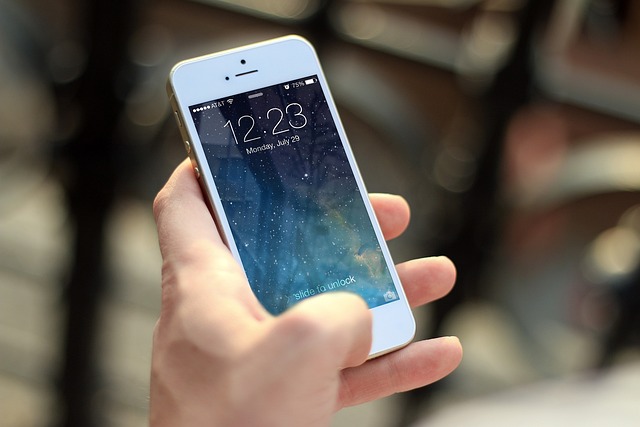
By integrating “smart” technology into clinical practice, the latest advances in smartphone applications and digital medical devices provide the opportunity for a major improvement in wound care. The main purpose of this section is to give readers a broad overview of how cell phones and other digital technologies are now being used to treat wounds in vitro and in vivo.
Human and animal patients with wounds experience discomfort, stress, and difficulty functioning. The difficult and prolonged wound healing process involves age, body type, nutrition, vascular insufficiency, chronic disease, and immune-suppression. Pressure, edema, necrosis, infection, desiccation, and maceration are other environmental influences. Common chronic wounds such as diabetic foot ulcers and bedsores are increasing alarmingly as a result of the increasing number of associated diseases, including diabetes, paralysis, sickle cell anemia, vasculitis, renal impairment, epidermolysis bullosa, and autoimmune disease.
Both patients and health care systems face major problems such as disabilities, multiple hospitalizations, and even amputations as a result of these wounds.
The health care system is working to implement a proactive and preventive approach to wound treatment. Smart technologies that provide non-invasive quantitative data from the wound healing process and address the effective evaluation and description of the wound are one of the key components of this approach.
By continuously collecting physicochemical data from the wound and wirelessly communicating it to the clinical center to obtain remote on-demand therapies, modern smartphone-based wound dressings enable real-time monitoring and offers a diagnosis of acute wound.
The most notable benefit of this smartphone-based wound dressing is that reducing patient hospital visits reduces the risk of infection, the cost of care, and the duration of therapy.
Smartphone-based wound dressing
Healthcare systems now have an opportunity to pursue changes in wound care thanks to the deployment of smartphone-based technology in medical settings.
The entire intelligent wound monitoring system is expected to be fast, non-invasive, affordable, easy to use, and, ultimately, deliver accurate and error-free information to clinical operators.
Patients can monitor wounds at home with the help of smartphone-based wound dressings.
As a result, the data generated by this type of smart dressing is important for directly predicting the wound healing process. Smartphone-based methods have the potential to be non-contact in their most basic forms and use digital image processing, in contrast to conventional wound examination techniques.
Recent smartphones have high-quality photography capabilities that can significantly improve the accuracy and reliability of wound measurements without the need for special training or other tools.
Conventional wound dressings such as gauze and cotton wool are intended to protect injured body parts from the environment and pathogens, but as already mentioned, they can also be integrated into smart platforms for remote and real-time tracking.
Modern smartphone-based dressings can also work biologically on their own or release drugs and bioactive chemicals included in the dressing’s composition.
Miniaturized pump arrays are wirelessly controlled by an internal smartphone application in a novel smartphone-based wound dressing intended for regulated and programmable release of multiple drugs.
The effectiveness of this approach has been effectively demonstrated by in vitro research findings. To increase the bioavailability of drugs in deeper layers of wound tissue, miniaturized needle arrays (MNAs) are used throughout the dressing structure in island formations. The practical potential of the whole system was examined by delivering VEGF (vascular endothelial growth factor) to 5-day full-thickness skin lesions in diabetic rats. Test animals that received VEGF via MNAs showed complete and effective healing without any signs of scar formation.
The development of improved smart gadgets that can treat chronic wounds by interfering with the healing process and preventing infection has been made possible by recent innovations in electronic and mobile application design. Key variables in wound monitoring include pH, temperature, wound oxygenation level, and uric acid content. Wound repair processes usually work best in an acidic environment.
However, the pH of acute wounds is often neutral or basic. As a result, monitoring skin pH during wound healing offers reliable evidence of the healing process and early signs of infection or non-healing. Studies show that the newly developed smart dressing has advantages over currently available commercial technologies, including the ability to map the pH of a diabetic wound using various printed sensors, to maintain the ideal moisture required for wound healing with a hydrogel structure, and to conform to damaged tissues.
Alternative smart phone based dressings that are cheap, fast, and more reliable have now been created by immobilizing pH indicator molecules on cellulose particles. An electronic chip attached to the wound dressing is responsible for reading the color changes caused by these indicator molecules instead of the patient, and it is able to send a real-time report of the gathered data to patient’s smartphone through a novel radio-frequency identification ( RFID) based contact-less platform. Additionally, the electronic reader can wirelessly communicate quantitative pH data to a medical computer and always know the state of the wound.
An increase in temperature in chronic wounds indicates a bacterial infection. Often, clinic staff or patients palpate the wound site to ensure its warmth. Therefore, low-cost electronic temperature sensors are now commercially accessible and easily incorporated into conventional wound dressings for early detection of temperature changes along with infection monitoring and on-demand antibiotic treatment for infected wounds. In this technology, an electronic sensor continuously checks the temperature of the wound, and an electronic transformer uses Bluetooth to send data from the sensor to the smartphone.
Consuming more oxygen can be an important part of improving wound healing, but with low oxygen levels, damaged tissue experiences hypoxia, which disrupts the healing process and, as a result, prolongs hospital stay. To address this, a bioactive wound dressing has now been integrated with a miniaturized oxygen monitoring device, allowing clinical staff to quickly and conveniently administer a treatment regimen determined by the patient’s specific condition.
Elevated uric acid may be a symptom of wound severity and oxidative stress in chronic wounds. As a booster of inflammation, uric acid can cause chronic wounds in a chronic state by increasing the concentration of reactive superoxide radicals in the blood bed, which can interfere with the normal activity of bio-macromolecules such as proteins, lipids, and nucleic acids.
Real-time monitoring of the concentration of this biomarker by using amperometric uric acid biosensors in the wound can provide reliable information about the wound healing process.
Bottom line:
Chronic wounds are a major concern for the health care system because they are difficult, expensive, and time-consuming to treat. Any effective method must be tailored to the needs of each patient. With the use of smart sensing, data processing, data transfer, and automated acute wound medication administration, smartphone-based wound dressings are a novel and innovative method to enhance acute wound management. To address issues in chronic wound healing, this article highlights the lack of multidisciplinary research on smartphone-based wound dressings that have yet to be subjected to human evaluation.
The author is Assistant Professor cum Junior Scientist, Dept. of Medicine, Guru Angad Dev Veterinary and Animal Sciences University, Ludhiana, Punjab.
Post a Comment